For nearly a decade, productivity platforms competed by adding endless features, real-time activity indicators, and integrated chat streams. Today, a growing contingent of writers, founders, and designers is quietly pushing back against notification overload. The emerging preference favors dedicated tools that execute one core task exceptionally well without competing for the user attention span.
The Hidden Cost of Feature Creep
When every application attempts to serve as a calendar, document editor, and team communication hub, cognitive overhead climbs rapidly. Micro-interruptions from status updates break deep concentration long before significant progress takes shape. Recent editorial dispatches across digital design circles highlight a clear movement toward minimalist text editors, dedicated hardware, and offline drafting sessions.
Designing for Deep Attention
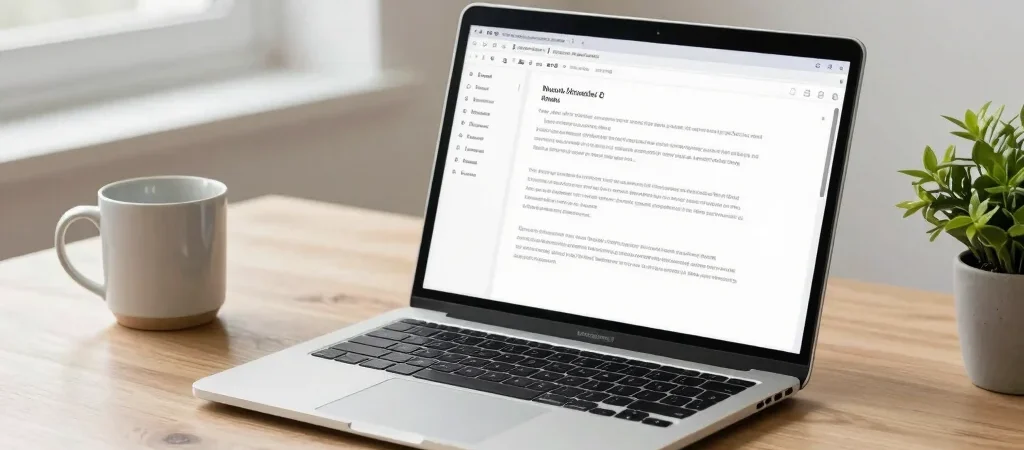
Building an environment conducive to sustained thought requires intentional constraint rather than complex automation. Software developers are responding by reintroducing clean typography, distraction-free writing modes, and local-first data storage that operates without cloud latency. These subtle choices eliminate visual friction, allowing professionals to maintain momentum without constant context switching.
Practical Audits for Your Digital Desk
Reclaiming focus begins with a deliberate audit of your daily digital toolkit. Start by disabling non-essential desktop notifications and establishing dedicated blocks for async communication. By treating attention as a finite resource, you create the structural space required for analytical clarity and creative execution.